
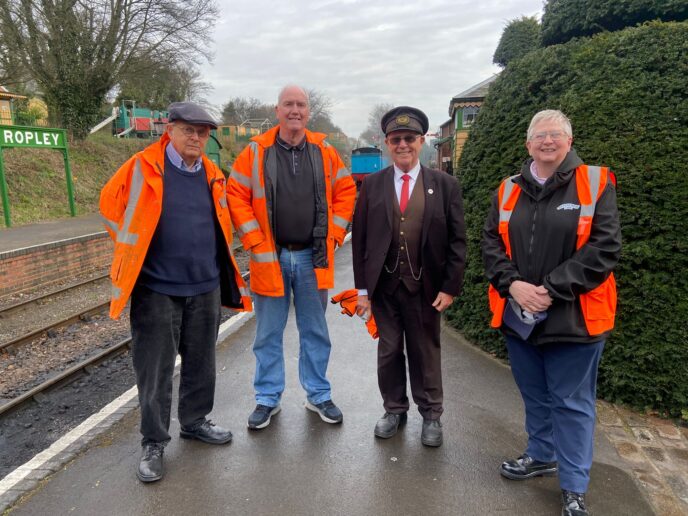
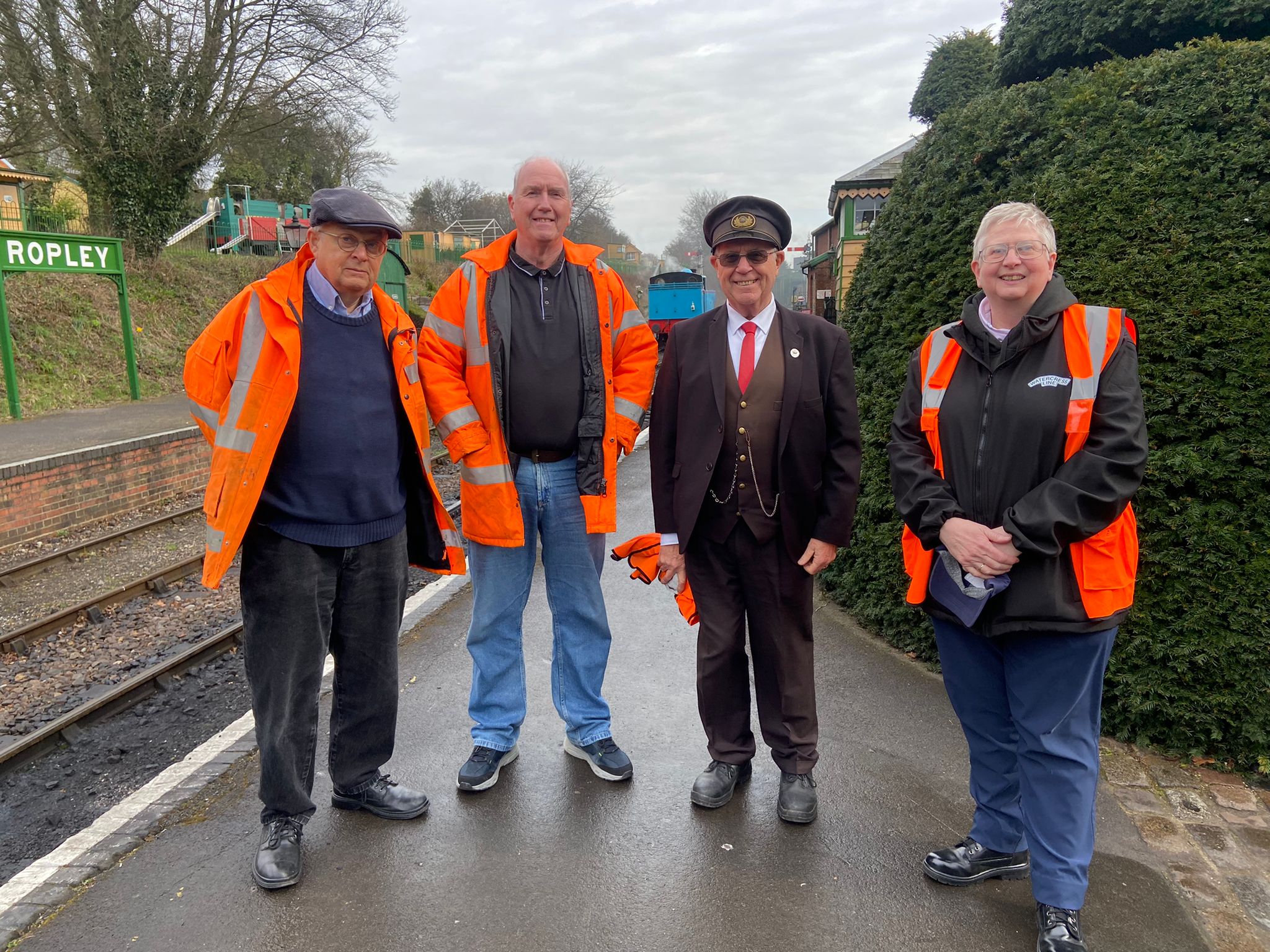
For April, we’re thrilled to be showcasing the Watercress Line Heritage Railway group. When asked how they would describe their group, they told us:
The Watercress Line Heritage Railway's Education and Outreach Team is dedicated to providing learning experiences that bring history to life. We offer a variety of programmes tailored for schools, colleges, and other learners, allowing participants to explore the rich history of the railway and its surrounding areas. We also develop and deliver community engagement projects that work with a wide range and variety of community groups across Hampshire using the railway's stories, history and heritage as inspiration for people to engage with and share their connections, memories and experiences.
We asked them to tell us about the communities they work with and how they engage with them.
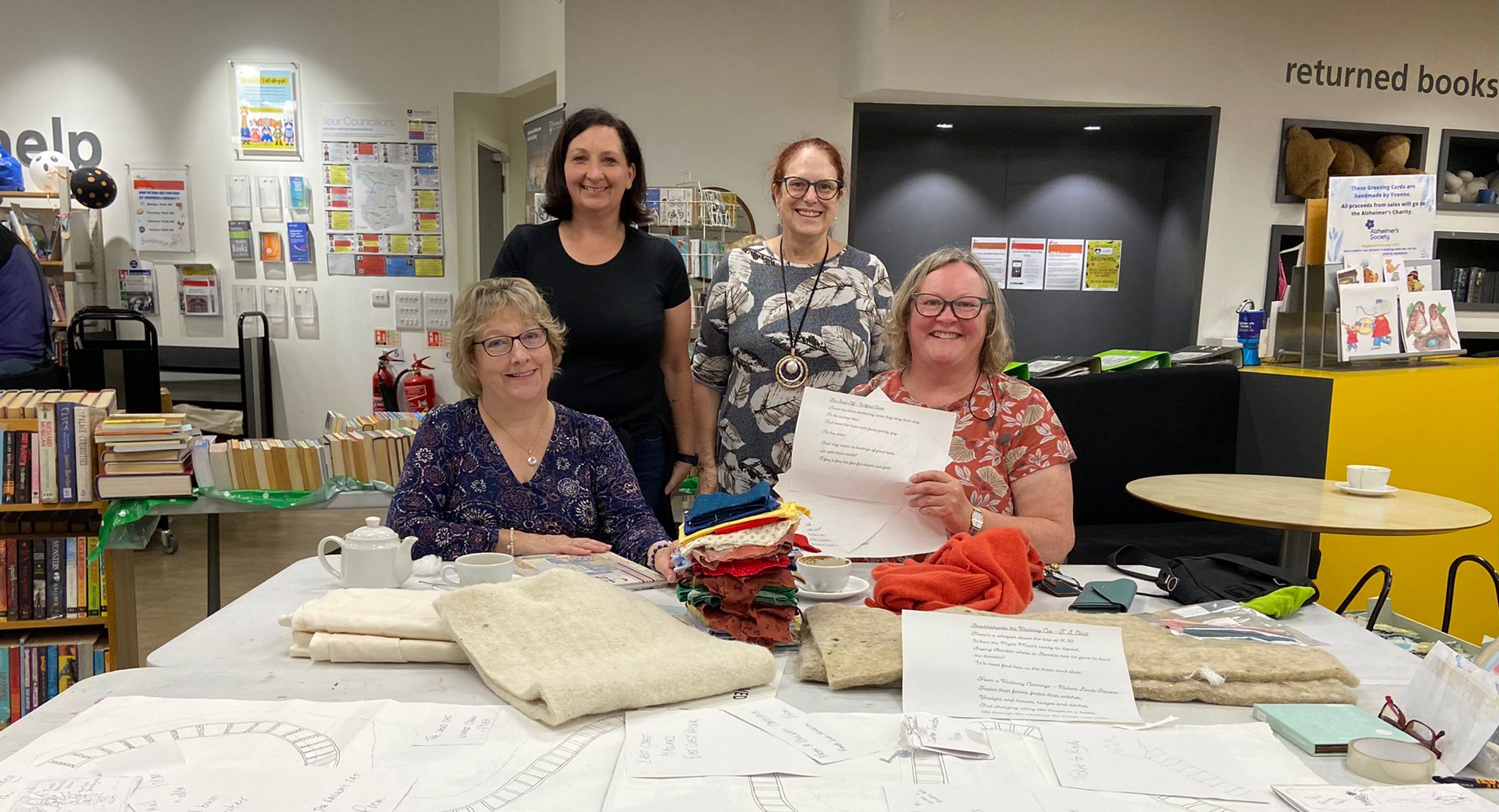
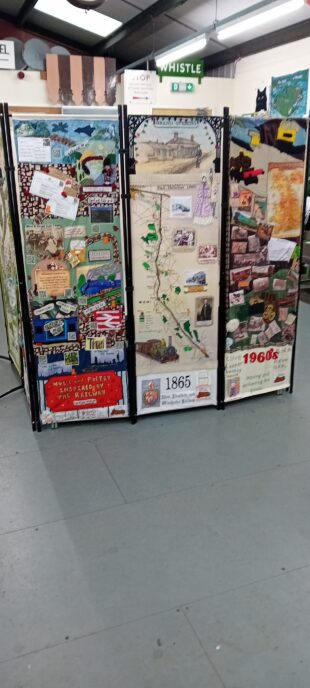
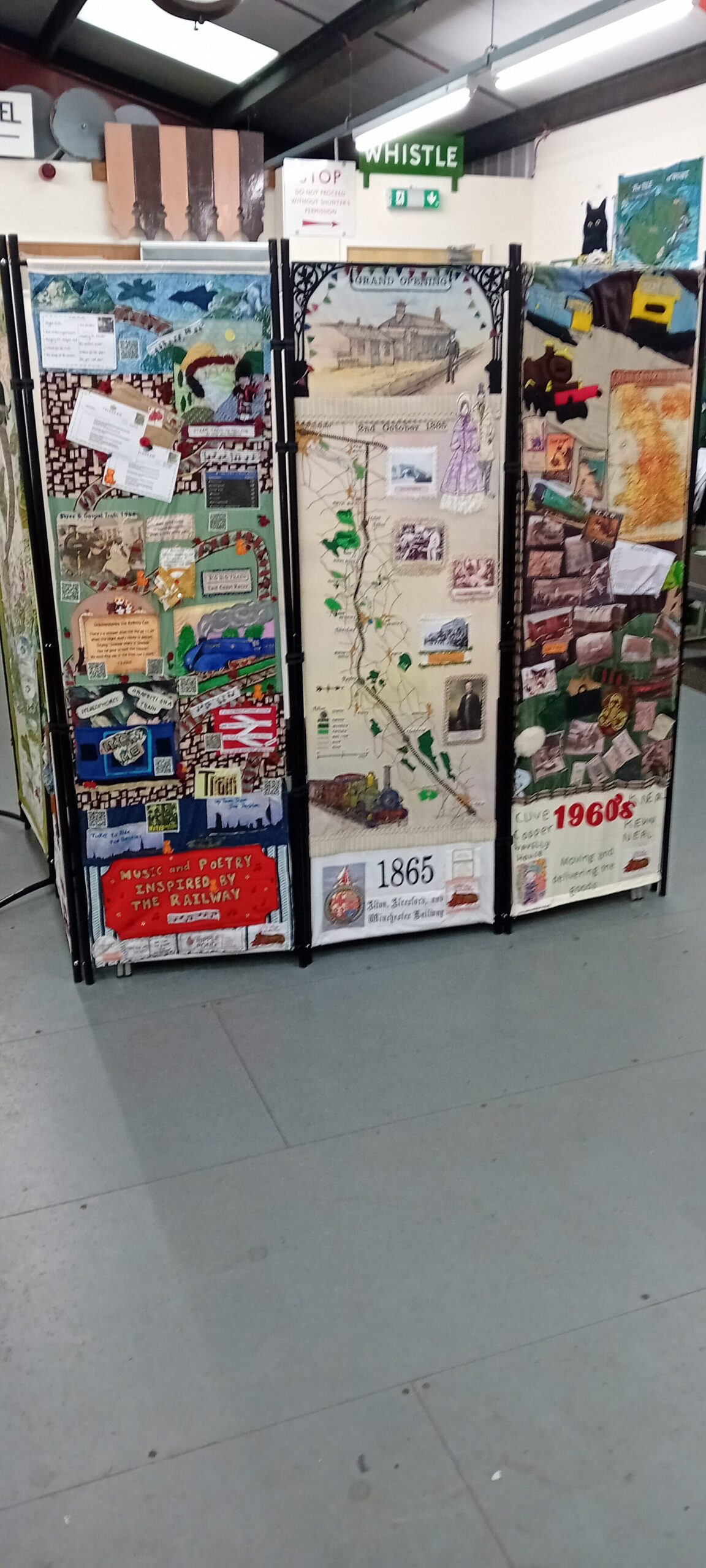
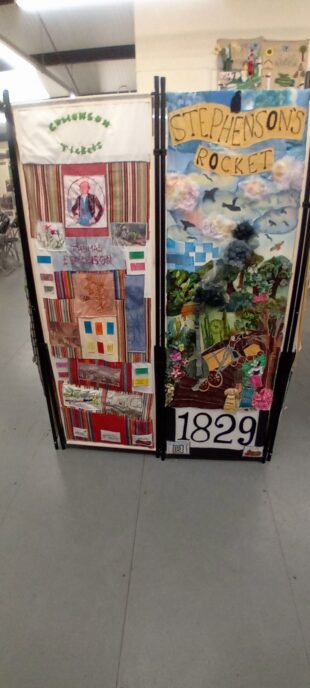
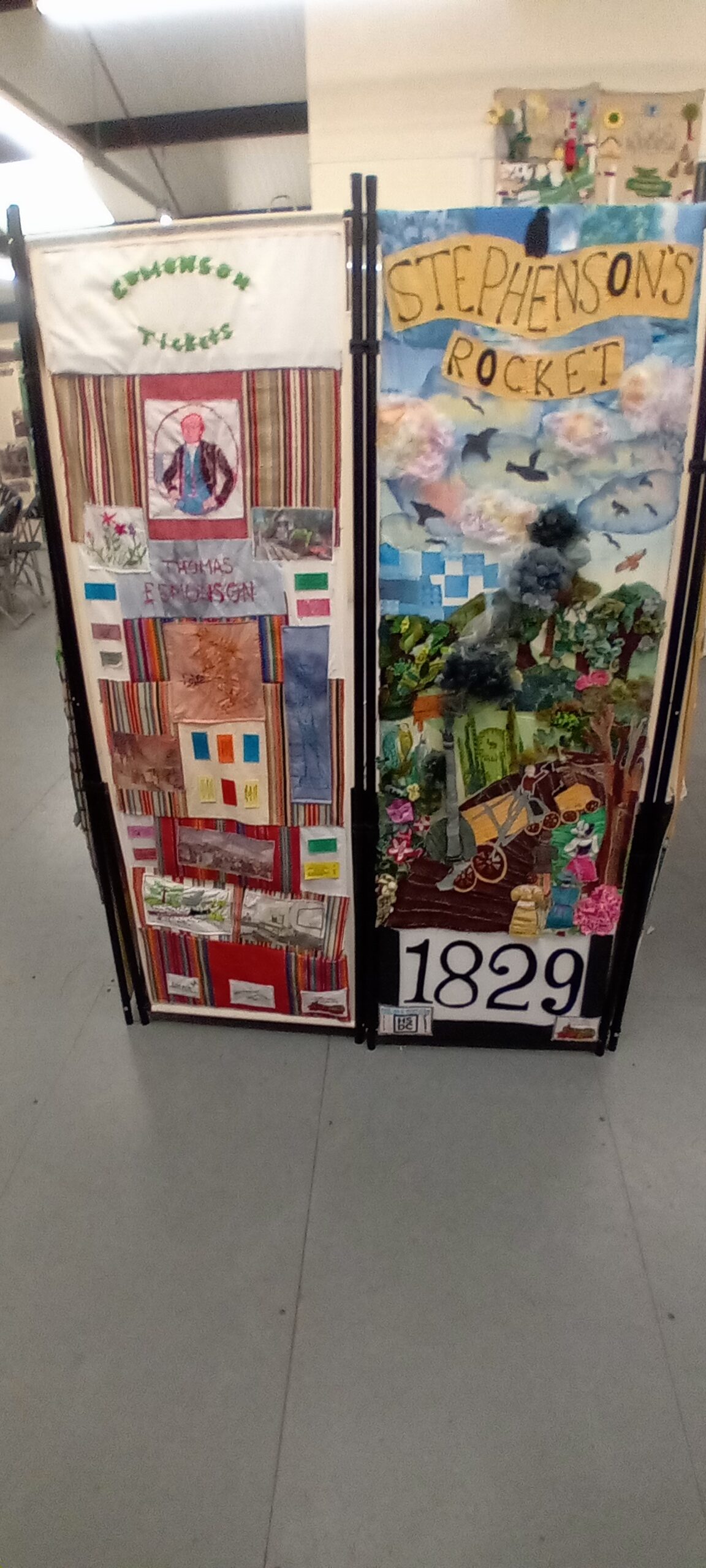
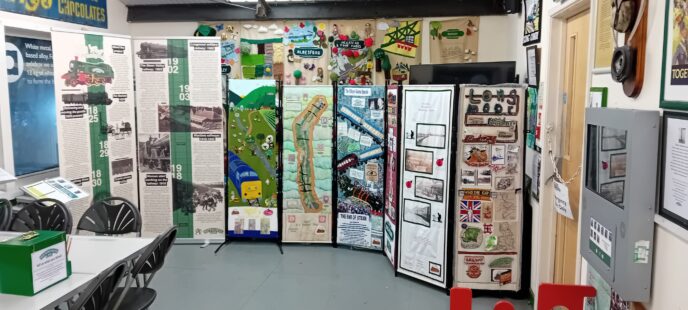
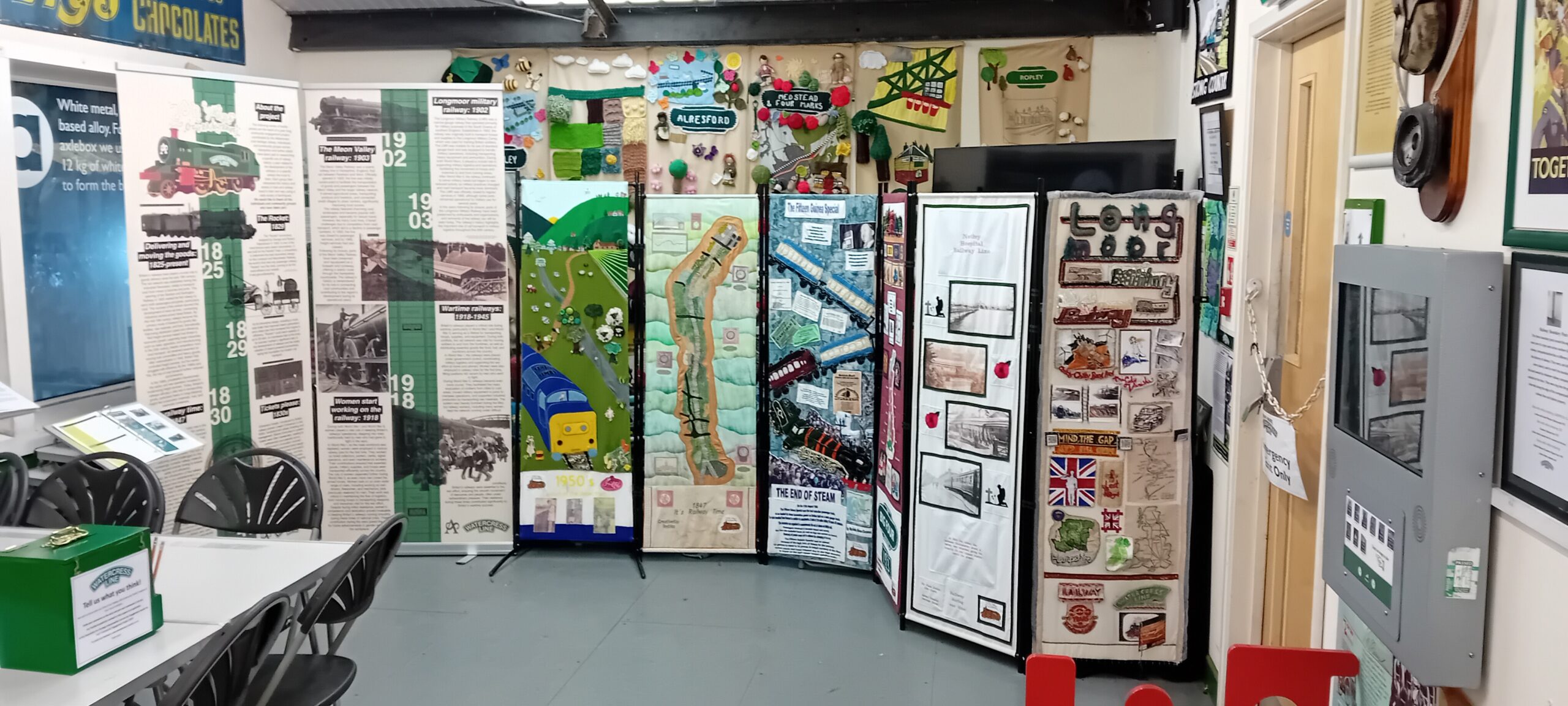
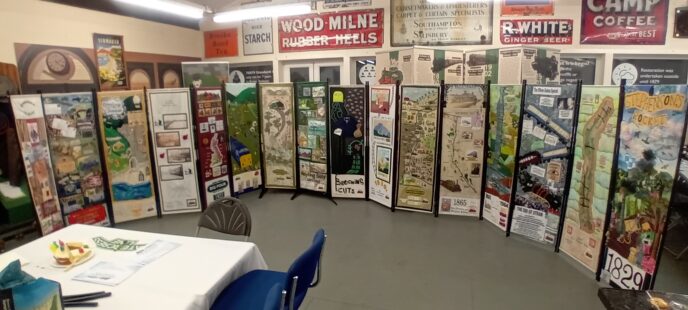
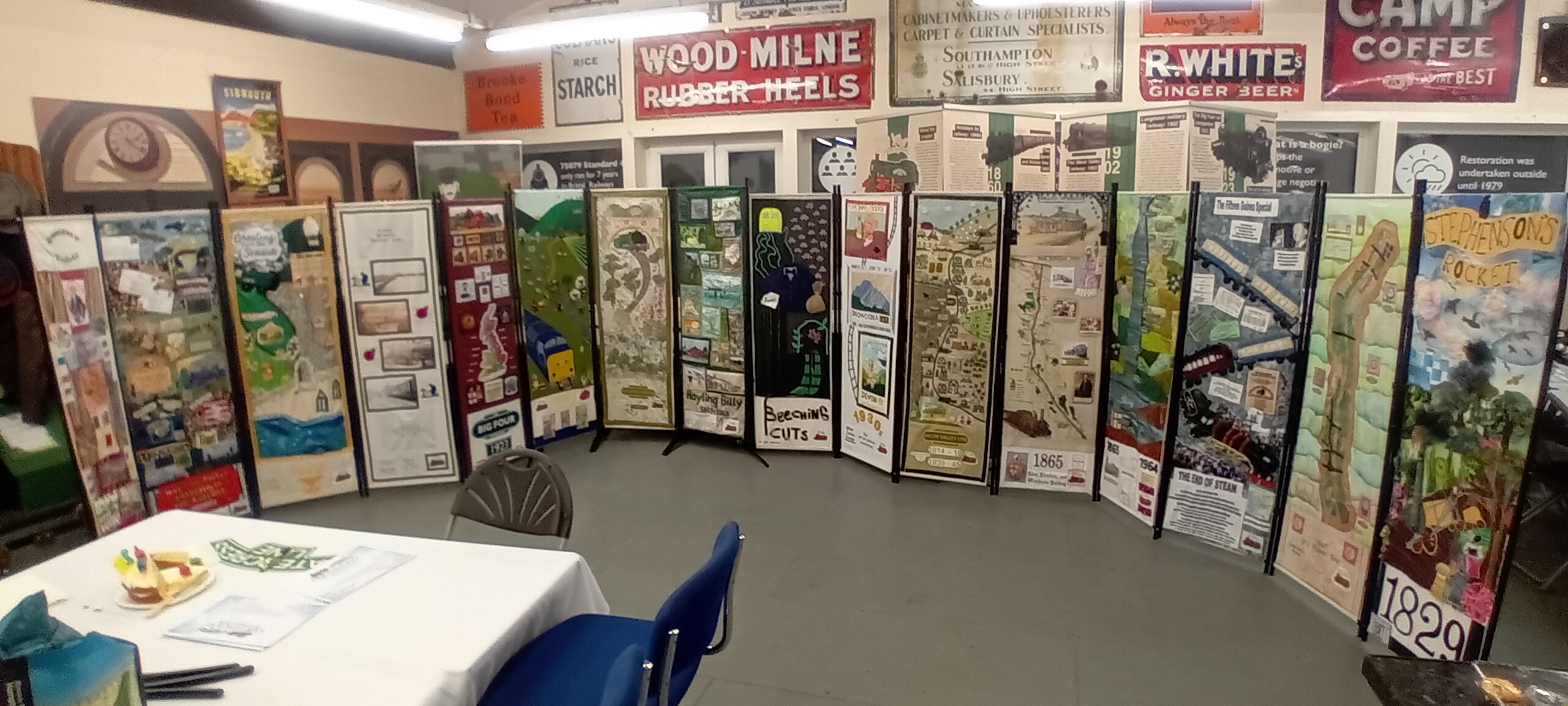
The Watercress Line’s Railway 200 Community Textile Timeline Project marks the 200th anniversary of Britain’s railways in 2025, celebrating the history of the railway through a collaborative and creative approach. The project brings together over 100 participants from the local and wider community to create 18 textile panels, each representing key events and milestones in the history of the railway. It serves as a unique way to engage people of all ages and backgrounds with the heritage of the Watercress Line and its surrounding areas.
The project primarily engaged with local sewing, embroidery and craft individuals and community groups to discover more about Britain’s rich railway while creating their own textile designs. This hands-on approach helped participants connect with history through art and storytelling, fostering a deeper understanding of the railway's significance to both local and national history.
Additionally, the project involved community groups such as historical societies, craft groups, and sewing clubs, encouraging people of all ages to collaborate. The multigenerational nature of the project fosters dialogue and knowledge-sharing, with older participants passing down skills and stories to younger generations. Local artists provide guidance on textile techniques, ensuring the panels are of high artistic quality.
The project also reaches a wider audience through digital platforms, offering online workshops and sharing progress on social media. Partnerships with national heritage organizations further extend its reach, allowing the textile timeline to be showcased at broader heritage events and railway museums.
Ultimately, the project creates a lasting visual record of the railway’s history, celebrated through the community’s collective effort. It will be displayed at various locations, ensuring that the story of the Watercress Line continues to educate and inspire future generations.
Please tell us how you feel your work has contributed to preserving community heritage and/or broadened the appeal of community archives to a wider group of people?
The Education and Outreach Team at the Watercress Line has contributed to preserving community heritage through projects like the Railway 200 Community Textile Timeline Project. By involving over 100 participants in creating textile panels that represent key events in the railway’s history, we’ve helped keep the collective memory of the railway alive. Participants, many with personal connections to the railway, have shared their stories, enriching the historical narrative and ensuring the preservation of local heritage.
The project has also broadened the appeal of community archives by making history more accessible and interactive. Through the use of textile art, we’ve engaged people who may not traditionally engage with archives or museums. By involving schools, community groups, and partnering with national organizations, we’ve made the railway’s history relatable and engaging. Digital platforms allowed us to reach a wider audience, offering online workshops and sharing the project’s progress. By engaging diverse participants, from schoolchildren to older generations, we’ve created an archive that goes beyond traditional formats. The project has made the story of the Watercress Line more inclusive, ensuring its relevance for future generations. Through these efforts, we’ve helped preserve community heritage while broadening its appeal to a wider group of people.
We asked if they had any examples of running activities that have beneficial impacts on the physical, mental and social wellbeing of individuals and communities?
The Railway 200 Textile Timeline Community Project has had a significant positive impact on the physical, mental, and social wellbeing of individuals and communities.
The project promoted physical activity through the crafting process. Participants engaged in stitching, weaving, and fabric painting, which improved fine motor skills and coordination. For many, this was also a gentle form of exercise, particularly for older individuals, encouraging movement and reducing physical stagnation. The opportunity to attend workshops and events also provided a chance for people to leave their homes and engage with others, benefiting their overall physical health.
The creative process of textile art offered a form of mindfulness, helping to reduce stress and anxiety. The repetitive nature of crafting provided a calming effect, allowing participants to focus on the present and alleviate mental burdens. Learning new skills and contributing to a meaningful project boosted self-esteem and confidence, particularly for those who had not previously participated in artistic activities. This sense of achievement and pride contributed to improved mental health.
The project fostered social connections by bringing together people of all ages and backgrounds. Participants collaborated on creating the textile panels, forming new relationships and breaking down social barriers. Intergenerational exchanges took place as older participants shared memories of the railway with younger ones. Workshops and community events provided spaces for socialization, reducing isolation and building a supportive network. The project also deepened participants' connection to their local heritage, strengthening their sense of belonging and community pride. The project has enhanced physical, mental, and social wellbeing by encouraging creativity, collaboration, and a shared connection to local history, enriching the lives of participants.
Finally, we asked the group to describe what they think makes them special. They told us:
The project stands out because it combines creative expression, local heritage, and community involvement in a way that no other heritage railway has done for the Railway 200 celebrations.
We are the only heritage railway to undertake such an inclusive and hands-on community engagement project, where participants of all ages and backgrounds contributed to a collaborative piece of art that celebrates the history of the Watercress Line and the heritage of Britian’s railways and their history.
What sets this project apart is its unique approach of using textile art to tell the story of the railway’s rich history, making it accessible and engaging for a wide range of people. By inviting community members—from schoolchildren to senior citizens, and even day service users—to contribute, we ensured that the project was deeply personal and reflective of the diverse community it represents.
The result is a vibrant, interactive timeline that not only celebrates key moments in railway history but also showcases the creativity and stories of the people who live alongside it. The project successfully brought people together, fostered a sense of pride, and provided a platform for voices that might otherwise go unheard, making it an exemplary model of community-based heritage storytelling.